Custom Hat Embroidery Guide: Flat vs. 3D Puff Techniques for Brands
Mastering the Stitch: The Brand Guide to Custom Hat Embroidery Techniques
For streetwear founders, premium private labels, and corporate merchandise managers, the logo application is the most critical element of a custom hat. It represents the brand’s perceived value and attention to detail.
While there are many decoration methods, custom embroidery remains the industry standard for durability, texture, and a high-end feel.
However, not all embroidery is equal. Choosing between flat embroidery and 3D puff embroidery, understanding thread types, and knowing factory capabilities can make or break your product line.
As a leading headwear manufacturer (OEM/ODM) with decades of experience servicing global brands, we have compiled this comprehensive technical guide to help you make informed decisions for your next bulk order.
Flat Embroidery vs. 3D Puff Embroidery: Which is Right for Your Brand?
The primary choice you face is the dimension of the stitch. Both techniques are performed on state-of-the-art computerized industrial embroidery machines, but they serve different design purposes.
1. Flat Embroidery: Classic and Intricate
Flat embroidery is the traditional method where the thread is stitched flush against the fabric of the hat (whether it be cotton twill, polyester mesh, or wool blend).
Best For: Detailed logos, small text, corporate branding, and designs with sharp gradients.
Advantages: Offers the highest level of detail resolution. It is durable, lightweight, and cost-effective for large production runs.
Design Tip: If your logo has text smaller than 0.2 inches, flat embroidery is the only way to ensure legibility.
2. 3D Puff Embroidery (Raised Embroidery): Bold and Street-Ready
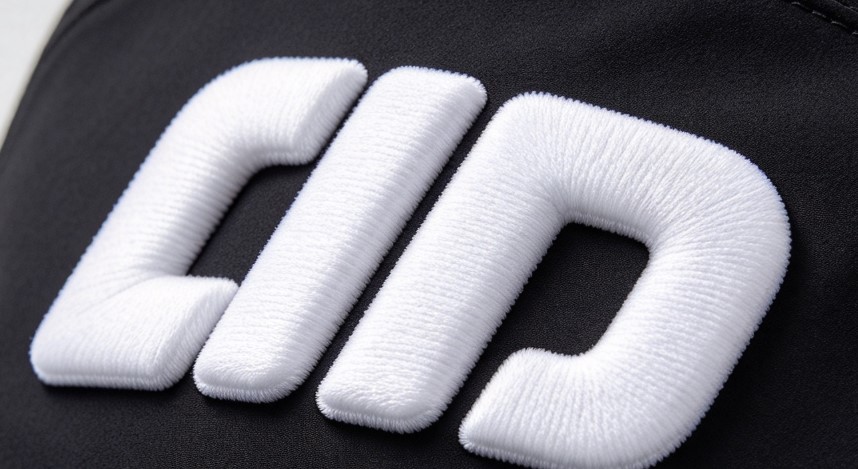
3D Puff is created by placing a piece of foam on the hat fabric before stitching. The machine stitches over the foam, encasing it and creating a raised, dimensional effect.
Best For: Large, bold initial logos (like sports teams), streetwear branding, and simple geometric shapes.
Advantages: Instant shelf appeal. It creates a premium, luxury touch that customers are willing to pay more for.
Factory Constraints: Not all logos can be "puffed." Design elements must have a certain width to hold the foam, and thin lines or intricate details will collapse or look sloppy.
3. Combination Embroidery
For high-end fashion branding, we often recommend combining both techniques on a single hat—using 3D puff for the main icon and flat embroidery for supporting text below it.
Technical Aspects that Define Quality OEM Manufacturing
When sourcing a factory for your brand, look beyond price. True OEM embroidery quality is defined by technical specifications.
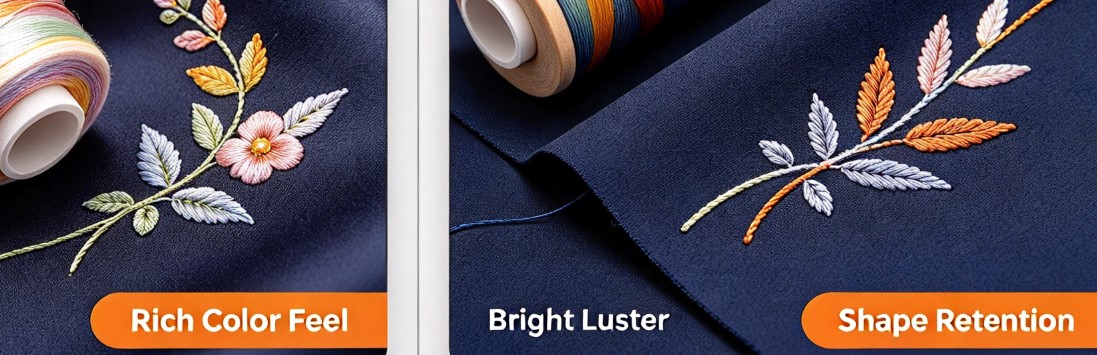
The Thread Matters: Rayon vs. Polyester
Polyester Thread: We primarily use high-tenacity polyester thread for sports and activewear caps. It is bleach-resistant, colorfast, and stands up to heavy washing and sunlight.
Rayon Thread: Used for luxury, unstructured "dad hats." It has a slightly higher sheen (gloss) but is more delicate than polyester.
Stitch Density and Backing
Cheap manufacturing uses low stitch density to save on thread costs, resulting in gaps where the hat fabric shows through the logo. At our facility, we utilize high-density stitching and premium backing material (cut-away or tear-away stabilizers) to ensure the logo remains crisp, does not pucker the fabric, and lasts for years.
How to Create an Embroidery-Ready Tech Pack
To streamline your OEM process and reduce sampling time, your tech pack should include:
Vector Artwork: Files in .AI, .EPS, or .PDF format. Embroidery digitizing cannot be done accurately from JPEGs.
Pantone (PMS) Color Codes: Do not rely on screen colors. Specify Pantone solid coated codes for thread matching.
Specific Dimensions: Indicate the exact width and height of the logo (e.g., 2.5 inches wide).
Technique Specification: Explicitly state "Flat Embroidery" or "3D Puff" for specific parts of the logo.
Your Partner in Premium Headwear Manufacturing
Choosing the right logo application technique is vital for your brand's success. As an audited factory serving global markets under strict quality standards (BSCI, ISO9001), we are ready to bring your designs to life.
Whether you need low MOQ sampling or a wholesale order of tens of thousands of units, our engineering team will review your artwork and recommend the best embroidery path for your brand.
Ready to elevate your headwear line? Contact our B2B sales team today for a Tech Pack review and a custom quote.
active Tips from your SEO Master
Now that I have generated the content, please supplement it with the following material to maximize B2B conversion rates:
Real Factory Photography (Crucial):
Insert a macro shot showing the difference between a flat stitch and a 3D puff stitch side-by-side. Buyers want to see the texture.
Insert a photo or short video of our multi-head computerized embroidery machines in action. This proves factory capability.
Technique Diagram: In the "Flat vs. 3D" section, suggest inserting a simple cross-section diagram showing how the thread goes over foam in 3D puff.
Certification Logos: At the bottom near the CTA, place logos for BSCI, ISO, or thread supplier brands (like Madeira) to increase trust.