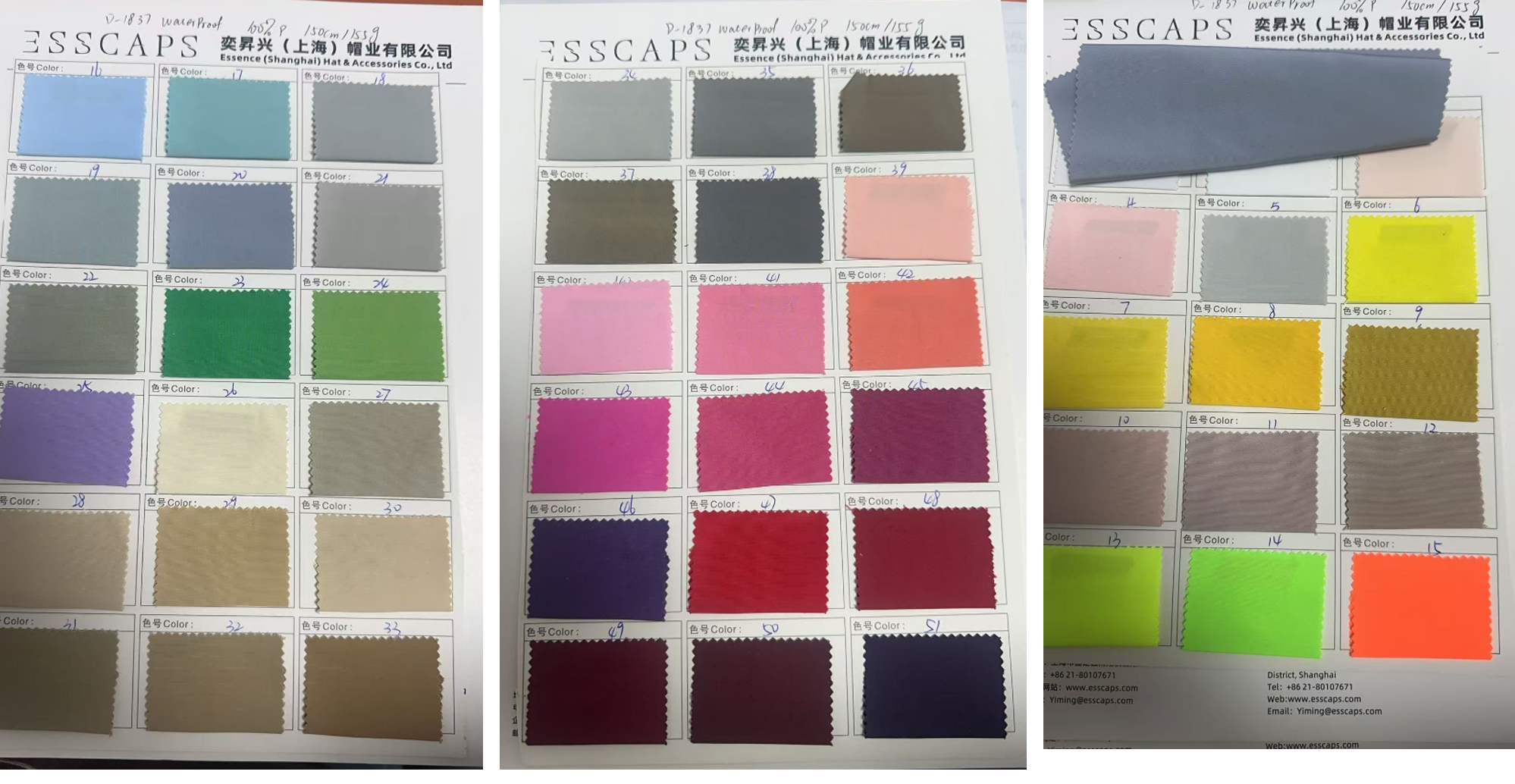
Which Material Is Right for Your Brand?
Most brands start their design process with a logo. Smart brands start with the Fabric.
The material of your hat dictates everything: how it fits, how long it lasts, and—most importantly—how much you can charge for it. A customer can tell the difference between a cheap polyester promo cap and a premium wool-blend snapback the moment they touch it.
But with hundreds of swatches to choose from, where do you start?Here is your cheat sheet to the 5 essential fabrics that power the global headwear industry in 2026.
1. Cotton Twill (The "Daily Driver")
If you close your eyes and picture a "standard baseball cap," you are picturing Cotton Twill.
The Feel: Soft, breathable, and natural.
The Look: Matte finish (no shine). It features diagonal weave lines (twill) visible up close.
Best For: Dad Hats (Unstructured) and everyday lifestyle caps.
Pros: Hypoallergenic, comfortable for all-day wear, and washes well.
Cons: It absorbs sweat (doesn't wick it away) and can fade slightly over time in direct sun.
2. Acrylic / Wool Blend (The "Premium Snapback")
This is the industry standard for high-end Structured Hats (like NBA/MLB replica caps).
The Composition: Usually 85% Acrylic / 15% Wool.
The Feel: Thick, sturdy, and fuzzy. It feels substantial and expensive.
The Look: Very clean and professional. It holds its shape perfectly.
Best For: Flat Brim Snapbacks and High-Profile Truckers.
Pros: It resists fading better than cotton and provides great insulation for cooler weather.
Cons: Too warm for summer sports.
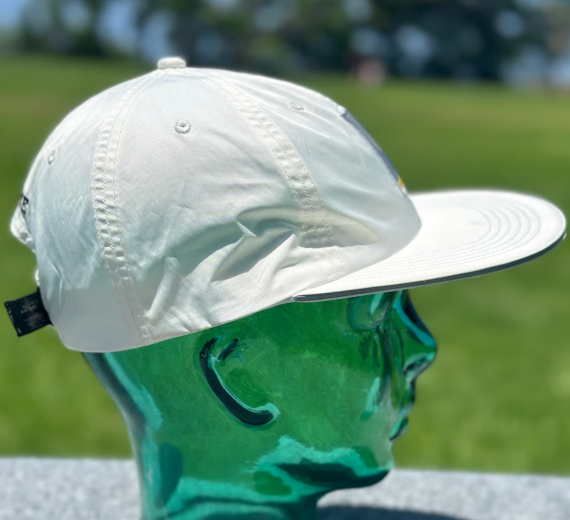
3. Performance Polyester (The "Athlete's Choice")
In 2026, "Athleisure" is king. Brands are moving away from cotton towards technical fabrics.
The Feel: Smooth, lightweight, and cool to the touch.
The Tech: Often includes Spandex/Elastane for stretch and moisture-wicking properties.
Best For: Golf Hats, Running Caps, and Gym Wear.
Pros: Waterproof (often treated), sweat-wicking, non-fading, and wrinkle-resistant.
Cons: Can look too "shiny" or "sporty" for casual streetwear brands.
4. Nylon Ripstop (The "Outdoorsman")
Thanks to the "Gorpcore" (Outdoor Style) trend, Nylon is the fastest-growing fabric category.
The Look: You can see a tiny grid pattern (crosshatch) woven into the fabric.
The Function: The grid pattern stops rips from spreading (hence the name "Rip-Stop").
Best For: Camp Hats (5-Panel), Tech Bucket Hats, and Hiking Gear.
Pros: Extremely lightweight, water-repellent, and durable.
Cons: It has a "swishy" sound and a technical look that doesn't fit formal brands.
5. Corduroy (The "Texture King")
Vintage is back, and nothing screams "Retro" like Corduroy.
The Look: Vertical ridges known as "wales."
Micro-Cord: Thin, subtle lines (Modern).
Wide-Wale: Thick, chunky lines (70s Style).
Best For: Surf Brands, Skate Shops, and Winter Lifestyle Collections.
Pros: Incredible texture and depth. It elevates a simple logo into a fashion statement.
Cons: It is a heavy fabric—best reserved for Fall/Winter collections.
Photos on a screen can lie. You cannot feel the weight of 100% Wool or the smoothness of Performance Poly through a JPEG.
Before you commit to a 500-piece production run, you need to feel the fabric.
Order a Fabric Swatch BookStop guessing. Get our physical "Master Swatch Kit" delivered to your office, featuring real samples of all 5 fabrics and 50+ colors.