The Green Revolution: A Brand Owner’s Guide to Sustainable Headwear Manufacturing in 2026
Fast forward to 2026. The game has changed. Consumer data shows that over 70% of Gen Z and Millennial shoppers prefer to buy from sustainable brands. Corporate clients now require "Green Supply Chains" for their merchandise.
For brand owners, the question is no longer “Should I offer an eco-friendly line?” but “How do I manufacture one without sacrificing quality?”
As a forward-thinking headwear manufacturer, we are here to guide you through the materials and methods that define the future of fashion.
1. The Material Game Changers: RPET & Organic Cotton
The most impactful decision you make is the fabric. Here are the two top contenders for your next collection:
A. Recycled Polyester (RPET)
What is it? RPET is made by breaking down used plastic bottles into pellets, spinning them into yarn, and weaving them into fabric.
The Benefit: It prevents plastic from entering landfills and oceans.
The Feel: Modern RPET is indistinguishable from virgin polyester. It is durable, color-fast, and perfect for Performance Truckers and Golf Hats.
B. Organic Cotton
What is it? Cotton grown without toxic pesticides or synthetic fertilizers, using significantly less water than conventional cotton.
The Benefit: It protects the soil and the farmers.
The Feel: Softer, breathable, and hypoallergenic. It is the gold standard for Dad Hats and Beanies.

2. Trust But Verify: Understanding Certifications
In the world of manufacturing, "Greenwashing" (fake eco-claims) is a risk. To protect your brand's reputation, you need proof.
When working with a manufacturer, ask for these certifications:
GRS (Global Recycled Standard): This verifies that the recycled content in your RPET hats is accurate and tracks the supply chain from the recycling plant to the final product.
GOTS (Global Organic Textile Standard): The world's leading processing standard for textiles made from organic fibers.
Oeko-Tex Standard 100: Guarantees the fabric is free from harmful chemicals.
Note: Our factory provides full documentation for our sustainable material lines so you can market your products with confidence.
3. "Eco" Doesn't Mean "Boring"
A common myth is that sustainable hats look dull. This is false. We can apply high-end customization techniques to eco-materials:
Recycled Embroidery Thread: Yes, even the thread used for your logo can be made from recycled sources.
Laser Etched Patches: Instead of using plastic inks, we can laser etch your logo onto cork or faux leather patches for a natural look.
Vibrant Colors: Our eco-dyeing processes achieve the same neon pinks, deep navies, and bright reds as traditional methods, but with less water waste.
4. The "Full Circle" Approach: Packaging
You can't sell a sustainable hat in a single-use plastic bag. It defeats the purpose. To truly elevate your brand, upgrade your packaging:
Biodegradable Poly Bags: Made from cornstarch, these break down naturally.
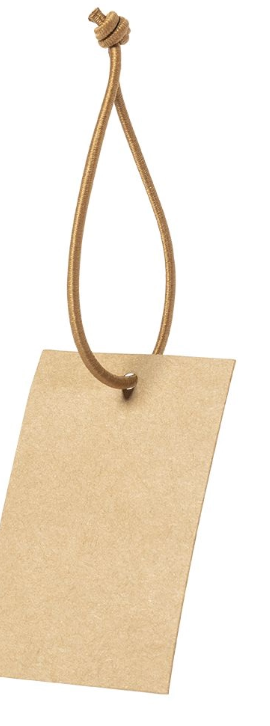
Recycled Hang Tags: Use unbleached, recycled paper with soy-based inks for your retail tags.
Switching to sustainable manufacturing is an investment in your brand's longevity. It tells your customers that you care about quality and the future.
You don't have to overhaul your entire inventory overnight. Start with a "Capsule Collection" of RPET Truckers or Organic Cotton Dad Hats and see how your customers respond.
ESSCAPS is ready to help you make the transition. We have the sourced materials, the certifications, and the craftsmanship to make your green vision a reality.
Request Your "Eco-Starter" KitWant to feel the difference? Click here to request free samples of our RPET and Organic Cotton fabrics, plus a copy of our sustainability certifications.