From the Inside Out: How Premium Internal Components Define Luxury Headwear
When a consumer picks up a custom cap, their first interaction is with its external design—the fabric, the silhouette, and the primary branding logo. However, the exact moment a product justifies its premium retail price point happens during the unboxing and trial phase, when they turn the cap over to inspect its interior architecture.
In the high-stakes markets of modern streetwear, golf apparel, and technical activewear, the internal touchpoints—specifically the custom cap sweatband and interior taping—are what separate ordinary promotional merchandise from luxury-tier, retail-ready masterpieces.
Here is the technical guide to designing internal component systems that maximize both user comfort and brand equity.
1. Sweatband Engineering: The Architecture of Comfort
The sweatband is the primary physical interface between the user's skin and the cap's structure. It carries the weight of the garment's fit and functionality:
The Premium Material Grid: Leading brands have long abandoned cheap polyester bands. They pivot toward bamboo charcoal fibers, technical mesh, or specialized hydrophilic open-cell foams. These materials offer instant moisture absorption, advanced capillary action to pull sweat away from the brow, and natural anti-microbial protection.
Density and Stitch Count: A luxury sweatband utilizes multi-layered backing material to prevent the stiff buckram or crown seams from pressing directly into the wearer's forehead. A high-density stitch run ensures the band remains flush and elastic, maintaining its shape through endless cycles of wash and wear.
2. Custom Seam Taping: The Silent Brand canvas
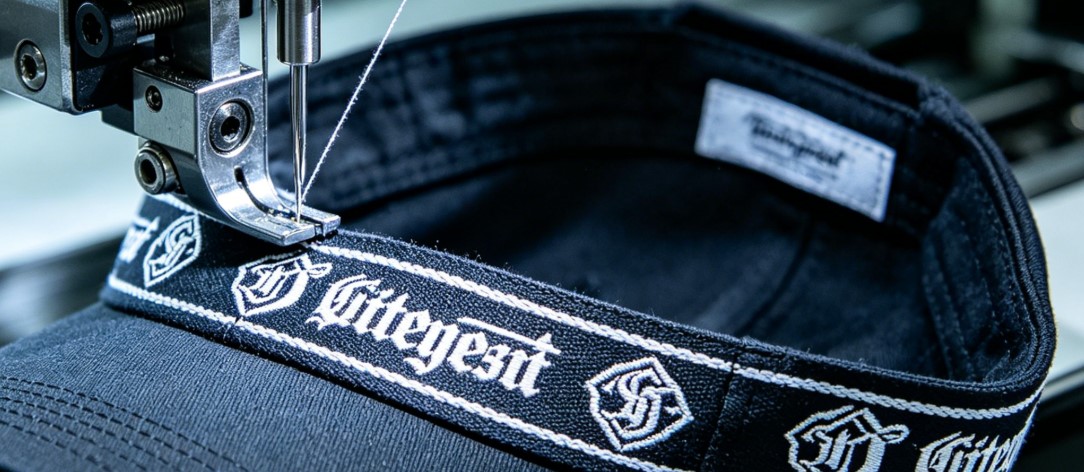
Interior seam taping (the bias tape covering the raw structural joints of the cap panels) is the ultimate canvas for "Quiet Luxury" detailing.
Structural Integrity: Beyond aesthetic appeal, high-tensile tape reinforces the crown's framework, preventing panel stretching and maintaining structural symmetry across bulk distributions.
Bespoke Branding Precision: Utilizing automated high-definition rotary printing or continuous sublimation allows brands to insert repetitive logos, slogans, or compliance codes directly along the seams. This meticulous detailing assures the consumer that every square inch of the product has been curated by design professionals.
3. Preventing Bleed and Deformation: Technical Interlining
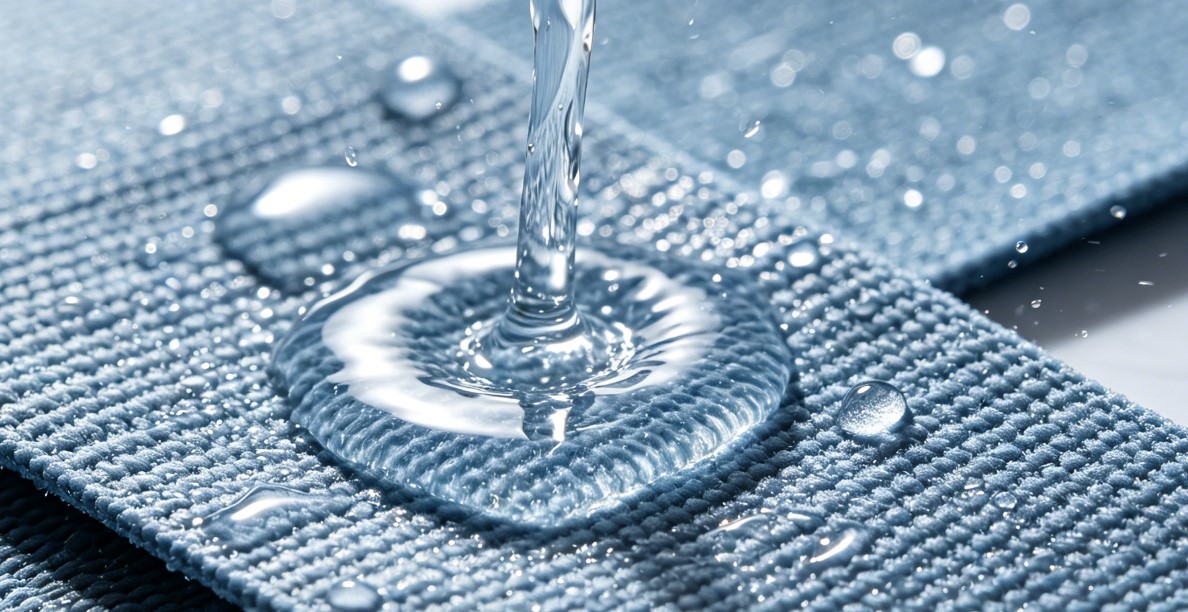
A major engineering flaw in standard manufacturing is "bleeding"—where forehead sweat dissolves external dye, leading to unsightly salt rings on the shell fabric.
The Countermeasure: Integrating an invisible, lightweight hydrophobic layer behind the sweatband acting as a moisture barrier.
Ergonomic Panel Junctions: Ensuring that where the six panels meet the sweatband base, the raw fabric edges are laser-shaved to avoid bulky knots that cause pressure points on the skull.
4. The ESSCAPS Standard: Industrial Rigor
At ESSCAPS, we don't just assemble raw materials; we engineer flawless tactile experiences. We treat the interior of a cap with the same intense devotion as its exterior finish.
Operating under strict AQL 2.5 quality control frameworks, our production facilities utilize computer-guided stitch synchronization to ensure that internal bands and branded tapings are applied with zero tension skewing or line puckering. This direct-to-factory oversight ensures that your mass-production runs perfectly mirror the approved sample, protecting your brand from premium product returns.
Conclusion: Sweat the Small Stuff
True premium quality is never accidental; it is a sequence of meticulously executed details. By investing in high-performance internal components, you safeguard your collection's functional authority and give your audience a compelling reason to remain loyal.
Ready to upgrade the internal architecture of your next collection?