From Prototype to Mass Production: How to Avoid the "Scalability Trap" in Apparel Sourcing
For many brand founders and operations managers, the most frustrating moment in the product development lifecycle occurs right after approval. A sample arrives from a supplier—it looks perfect, feels premium, and perfectly captures the creative vision. But months later, when the bulk shipment arrives at the warehouse, the reality is entirely different: inconsistent stitching, warped paneling, or sub-standard hardware.
This is the "Scalability Trap." In the high-stakes sectors of premium streetwear, technical activewear, and DTC fashion, a brand cannot afford to gamble on mass production consistency. Here is how leading brands bridge the gap between initial prototyping and direct-to-scale manufacturing.
1. The Myth of the "Golden Sample"
Many traditional apparel brokers can produce a single, flawless sample. Why? Because it was crafted by a master sample-maker in a specialized room with unlimited time. However, a premium sample is meaningless if the factory’s regular production lines cannot replicate its exact technical specifications.
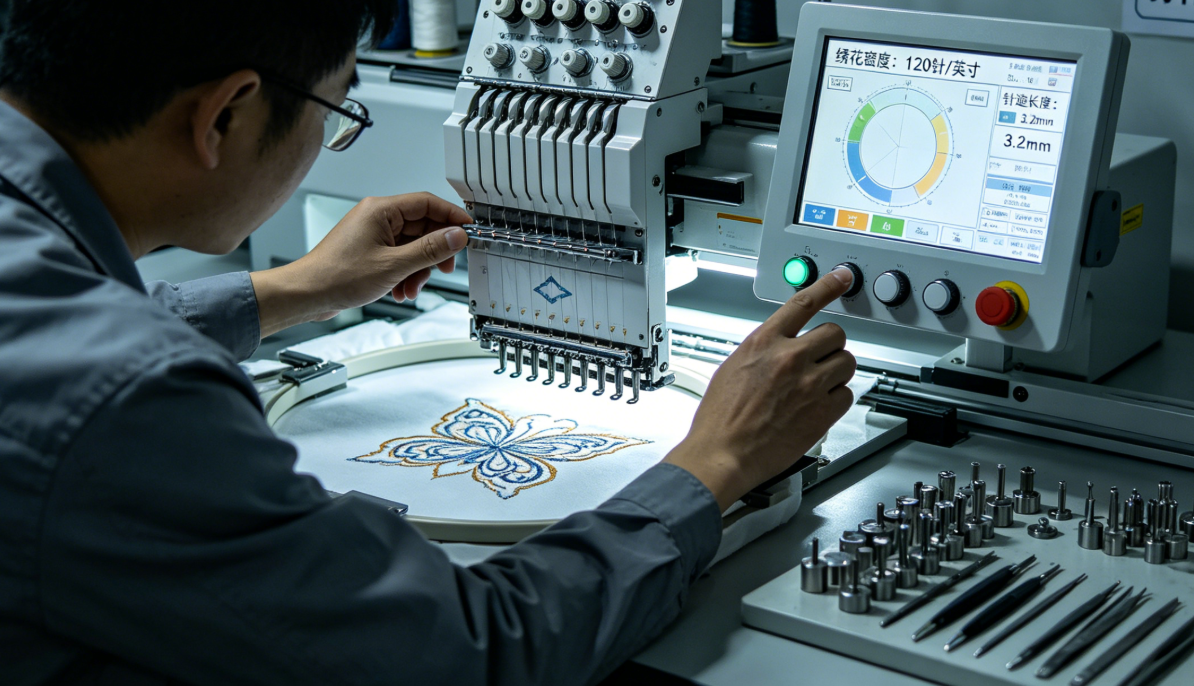
To secure true apparel sourcing and scalability, the prototyping phase must use the exact same automated machinery, technical trims, and component assets that will be deployed during mass production. If a supplier cannot guarantee that the team making your sample is running the same line as your bulk order, you are walking into a scalability risk.
2. Eliminating Intermediary Friction
One of the primary causes of the scalability trap is the reliance on trading companies or multi-layered agencies. Every layer between the brand’s creative director and the factory floor acts as a filter for miscommunication.
Direct-to-Factory Blueprinting: When you partner directly with a primary technical manufacturer, your original tech pack and creative files are translated directly into machine-executable parameters.
Component Cohesion: Custom trims, branded interior taping, and technical buckles are sourced and stress-tested in-house before the first sample is even stitched, eliminating late-stage supply chain bottlenecks.
3. Implementing Rigorous Industrial Guardrails: AQL 2.5
Consistency is not a coincidence—it is an engineered process. Premium brands protect their equity by enforcing international inspection standards across the entire manufacturing run.
The golden standard for retail readiness is the AQL 2.5 (Acceptable Quality Level) framework. This rigorous statistical sampling protocol ensures that critical defects are identified and eliminated long before the goods leave the factory floor. By demanding AQL 2.5 adherence, operations leaders can confidently push products directly to retail or e-commerce drops without fearing massive customer returns.
4. Designing for Scale with ESSCAPS
At ESSCAPS, we don't just produce headwear; we engineer scalable product systems. We treat your initial prototype as a hard-coded blueprint for global manufacturing.
By unifying advanced industrial tech—such as precision laser cutting and high-definition 3D embroidery—with a transparent, agile supply chain infrastructure, we help modern fashion brands scale with zero compromise on quality.

Conclusion: Scalability is the Ultimate Luxury
Innovation is exciting, but execution is what builds a legacy brand. As you plan your next capsule drop or global product rollout, ensure your manufacturing partner possesses the infrastructure to scale your vision perfectly.
Are you ready to experience friction-free apparel scalability?
[Request an "Operational Excellence" Sample Kit] or [Consult with our Technical Sourcing Engineers today] to see how our precision manufacturing lines can future-proof your brand’s next collection.