How to Build a Sustainable Headwear Line
Five years ago, asking for "eco-friendly fabrics" meant limited options, dull colors, and rough textures. In 2026, the game has changed completely.
Consumers—especially Gen Z and Millennials—check the label. Corporate clients have strict ESG (Environmental, Social, and Governance) goals to meet. If your brand isn't offering a sustainable option, you are leaving money on the table.
The good news? Going green no longer means sacrificing quality or breaking the bank. As a forward-thinking manufacturer, we have integrated sustainable supply chains that rival traditional materials in both durability and feel.
Here is how you can pivot your headwear collection to be eco-conscious this year.
1. The MVP: RPET (Recycled Polyester)
This is the most popular sustainable fabric in the headwear industry right now.
What is it? RPET stands for Recycled Polyethylene Terephthalate. It is made by melting down used plastic water bottles and spinning them into new polyester fiber.
The Impact: Making one hat from RPET recycles approximately 3-5 plastic bottles that would otherwise end up in a landfill.
The Feel: It feels identical to standard polyester. It is just as durable, color-fast, and versatile.
Best For: Trucker Hats, Snapbacks, and Performance Run Caps.
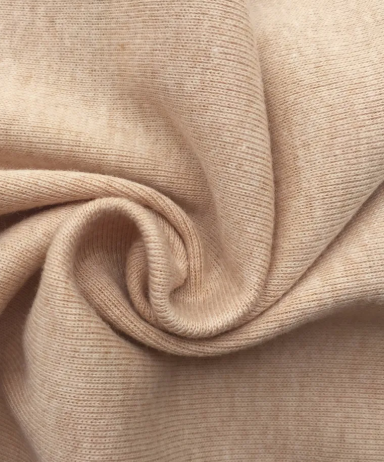
2. The Natural Choice: Organic Cotton
Standard cotton farming uses massive amounts of water and pesticides. Organic cotton changes that.
The Difference: Grown without toxic chemicals and using significantly less water.
The Certification: Look for the GOTS (Global Organic Textile Standard) label. This guarantees the cotton is truly organic from seed to stitch.
The Feel: Softer, more breathable, and hypoallergenic compared to standard cotton.
Best For: Dad Hats (Unstructured), Bucket Hats, and Beanies.
3. Eco-Packaging: Don't Ruin it at the Finish Line
It makes no sense to make a recycled hat and then wrap it in a thick, virgin plastic bag. To complete the sustainable story, you must upgrade your packaging.
Biodegradable Polybags: Made from cornstarch (PLA) or PBAT, these bags decompose naturally in compost environments.
Recycled Cardboard Boxes: We ship using FSC-certified recycled paper cartons.
Hang Tags: Use recycled paper with soy-based ink instead of glossy, plastic-coated tags.
4. How to Market "Green" Hats to Your Customers
Sustainability is a powerful marketing tool, but you must be transparent to avoid "Greenwashing."
Highlight the "Bottle Count": Tell your customers: "This hat saved 5 bottles from the ocean." It’s a tangible metric they understand.
Use the Icons: We can provide you with the official icons (Recycled Symbol, Organic Leaf) to print on your hang tags or stickers.
Target Earth Day (April 22): Start planning your "Earth Day Collection" now. Orders placed in January/February will arrive perfectly in time for this global event.
Transitioning to sustainable manufacturing is the single most impactful step your brand can take in 2026. It builds customer loyalty, commands a higher retail price, and protects our planet.
At ESSCAPS, we are GRS and GOTS certified. We make it easy for you to switch to green materials without complicating your design process.
Request Our Eco-Swatch KitFeel the difference yourself. Click here to order a free sample pack of our RPET and Organic Cotton fabrics.